Deck Restoration Guide: Cleaning, Staining, and Sealing Your Raleigh Deck
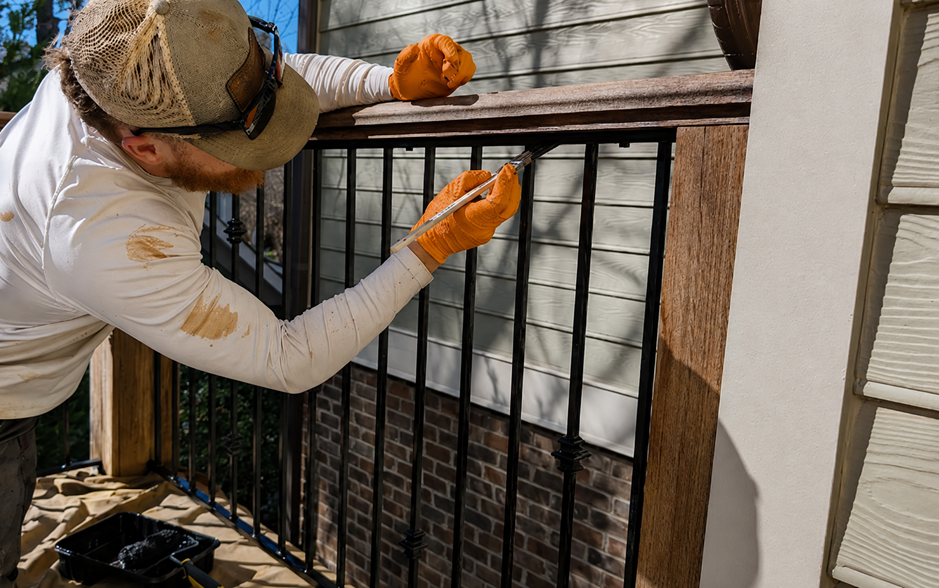
A wood deck can add useful outdoor living space to a Raleigh home. It can be used for family meals, weekend gatherings, morning coffee, or simply relaxing outside. But because decks are exposed to rain, humidity, sunlight, dirt, and changing temperatures, they need regular care to stay in good condition. Over time, outdoor wood can become faded, dirty, rough, cracked, or affected by mold and mildew. A neglected deck may also develop loose boards or other problems that go beyond appearance. This is where deck restoration in Raleigh can help homeowners clean, repair, and protect their outdoor spaces.
Restoration is not simply about making a deck look newer. A proper process can address surface buildup, minor damage, moisture exposure, and worn finishes while helping extend the useful life of the wood.
Why Raleigh Weather Can Affect Your Deck
Raleigh's climate can be challenging for outdoor wood. Decks regularly experience moisture from rain and humidity, along with strong sunlight during warmer months. These conditions can gradually change the look and condition of wood. Moisture can encourage mold, mildew, and algae growth. When water repeatedly enters and leaves the wood, the boards can expand and contract. Over time, this may contribute to cracking, splitting, and other signs of wear.
Sunlight creates another concern. UV exposure can fade stain and cause untreated wood to turn gray. High foot traffic can also wear down areas around stairs, entrances, and seating spaces faster than less-used sections. Because of these conditions, it is important to inspect a deck regularly instead of waiting until the surface looks severely damaged.
Signs Your Deck May Need Restoration
Not every deck needs a complete restoration at the same time. The condition of the wood can help determine what type of work is appropriate.
Look for These Common Warning Signs
Some signs that your deck may need attention include:
- Faded or gray wood
- Dirt and dark surface buildup
- Mold, mildew, or algae
- Cracked or splitting boards
- Peeling or worn stain
- Rough areas that are uncomfortable to walk on
- Loose boards or fasteners
- Damaged stairs or railings
- Soft spots in the wood
- Water that no longer beads on a finished surface
Step 1: Inspect the Deck Before Cleaning
Start by checking the entire deck before any cleaning begins. Look at the boards, stairs, railings, posts, and fasteners for cracks, rot, loose sections, or soft wood. Finding these problems early helps determine whether repairs are needed before staining or sealing.
Step 2: Clean Dirt, Mold, and Mildew
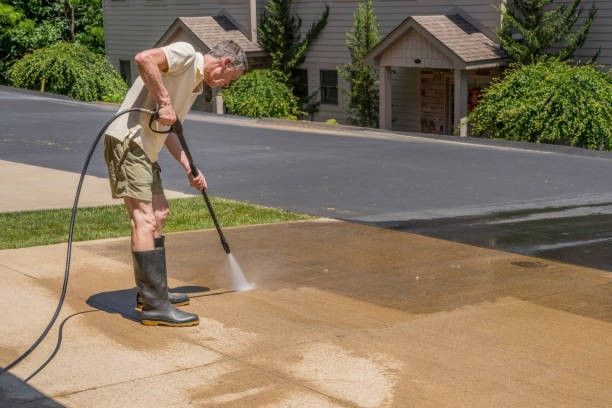
Cleaning removes dirt, mold, mildew, algae, leaves, and other buildup that can make wood look worn. The cleaning method should match the deck's condition. Too much pressure can damage wood fibers, so careful cleaning is important for a smooth surface.
Step 3: Complete Necessary Repairs
Once the deck is clean, damage is easier to see. Some boards may need attention before the finishing stage begins.
Common Deck Repairs
Depending on the condition of the structure, repairs can include:
- Replacing damaged boards
- Securing loose boards
- Repairing damaged stairs
- Addressing loose railings
- Replacing deteriorated wood
- Repairing sections affected by rot
Homeowners looking into deck repair in Raleigh NC should first determine whether the problem is cosmetic or structural. A small surface crack is different from a board that has become soft or unstable. Repairs should be completed before staining or sealing because coatings cannot restore severely deteriorated wood.
Step 4: Prepare the Surface for Staining
Proper preparation helps the new finish apply evenly and last longer. Remove loose or peeling coatings and smooth rough areas when necessary. The wood should also be completely dry before staining or sealing to prevent uneven application.
Step 5: Choose Between Stain, Paint, and Sealer
The right finish depends on the condition of the deck and the appearance the homeowner wants.
Deck Stain
Stain adds color while helping protect the wood from moisture and sunlight. Semi-transparent stains allow more of the natural grain to remain visible, while solid stains provide greater color coverage.
Deck Paint
Paint creates a more uniform appearance and can change the overall look of the deck. It may be suitable when the existing wood has a heavily weathered appearance or when a specific color is desired.
Deck Sealer
A sealer can help protect wood from moisture while allowing more of its natural appearance to remain visible. Some products combine sealing and coloring properties.
Pine State Pro Wash notes that its deck services include staining, painting, and sealing, with product selection based on the surface and desired result.
How Staining and Sealing Protect Wood
A properly selected finish can help reduce the effects of everyday weather exposure. Wood naturally absorbs moisture, and repeated wet and dry cycles can contribute to movement, cracking, and surface deterioration. mUV exposure can also cause fading and weathering. A suitable stain or protective coating can help reduce these effects while improving the appearance of the deck. However, no finish makes outdoor wood completely maintenance-free. Even a properly restored deck will continue to experience weather exposure and normal wear. That is why regular inspection and cleaning remain important after restoration.
How Often Should You Restore a Deck?
There is no fixed schedule that works for every Raleigh deck. The right timing depends on several factors, including the type of wood, amount of sunlight, foot traffic, previous coating, and exposure to rain. Some decks may need staining or sealing every two to three years, while others may require attention sooner or later. Instead of relying only on a calendar, look at the condition of the surface.
Signs It May Be Time for Another Treatment
Consider checking the deck if:
- Water quickly soaks into the wood
- The finish looks faded
- The surface has become noticeably gray
- Previous stain is peeling
- Cracks are becoming more visible
- Mold or mildew keeps returning
- The wood feels dry and rough
Simple Deck Maintenance Tips
Professional restoration is only one part of keeping a deck in good condition. Routine maintenance can help reduce buildup between restoration projects.
Remove Leaves and Debris
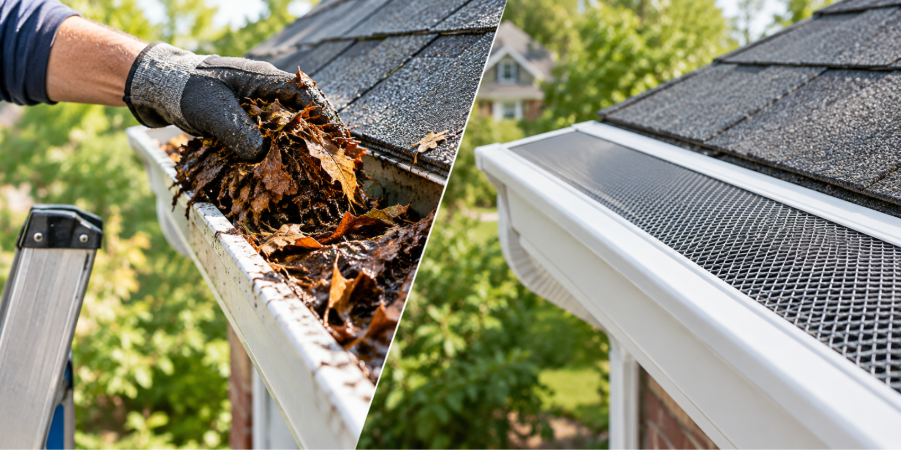
Leaves and organic debris can trap moisture against the wood. Remove them regularly, particularly from corners and areas where water collects.
Keep the Surface Clean
Periodic cleaning can prevent dirt and organic buildup from becoming difficult to remove. Avoid harsh cleaning methods that could damage the wood.
Check for Standing Water
After rain, look for areas where water remains for extended periods. Persistent moisture can contribute to wood deterioration.
Inspect Stairs and Railings
Do not focus only on the deck boards. Stairs, railings, and other frequently used areas should also be checked for movement or damage.
Address Small Problems Early
A loose board or damaged section can become a larger problem if ignored. Regular inspections make it easier to identify issues while they are still manageable.
When Should You Hire a Professional?
Homeowners can manage basic deck maintenance, but professional help may be useful for heavy buildup, old coatings, weathering, or damaged wood. Pine State Pro Wash offers deck cleaning, repairs, staining, painting, and sealing, along with services for porches, fences, pergolas, stairs, and railings. A professional assessment can help identify the right restoration steps and avoid applying a new coating over damaged wood.
Final Thoughts
A Raleigh deck faces weather throughout the year, making regular cleaning, repairs, staining, and sealing important for long-term care. Inspecting the deck first helps identify the right restoration steps and address problems early. If your Raleigh deck needs cleaning, repairs, staining, or sealing, Contact us today to discuss your deck’s condition and find the right restoration approach for your outdoor space.
Frequently Asked Questions
1. How often should a Raleigh deck be stained?
Many decks may need staining every two to three years, but the exact timing depends on sunlight, weather exposure, foot traffic, wood type, and the existing finish. Checking the surface regularly is more useful than following a strict schedule.
2. Can a deck be stained without cleaning it first?
Cleaning should generally come before staining. Dirt, mildew, algae, old residue, and loose coating can interfere with the new finish. A clean, properly prepared surface gives the stain a better chance of applying evenly.
3. How do I know if my deck needs repairs?
Look for soft or rotting wood, cracked boards, loose fasteners, unstable railings, damaged stairs, or areas that move when pressure is applied. These issues should be addressed before staining or sealing.
4. Is pressure washing safe for a wood deck?
Pressure washing can be used on wood decks when the equipment and pressure are handled correctly. Too much pressure can damage wood fibers and leave marks. The cleaning approach should be appropriate for the wood and its condition.
5. What is the difference between deck stain and sealer?
Stain can add color while providing protection from moisture and sunlight. A clear sealer focuses more on protecting the wood while preserving its natural appearance. The right choice depends on the deck and the desired finish.